
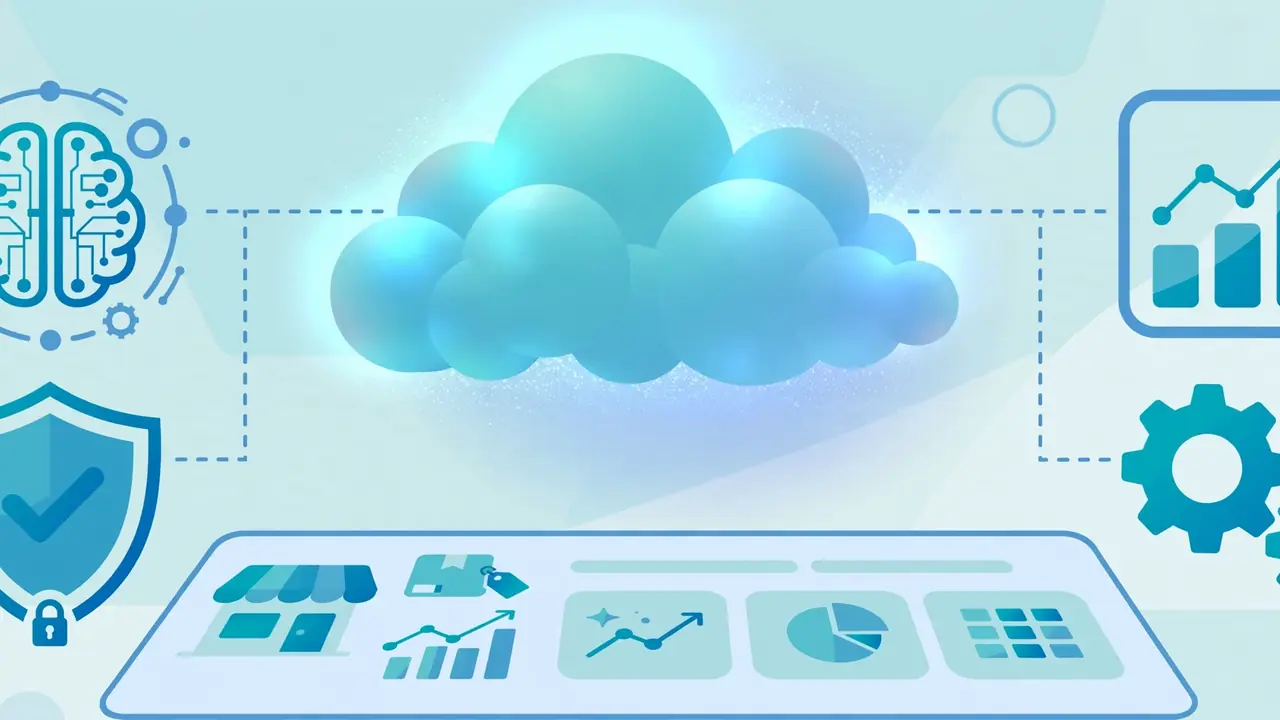
Beaconsoft is a technology label used in different ways, as a company name, or as shorthand for AI-plus-cloud business software.
The meaning most people search for in 2026 is beaconsoft-style tech, so what’s actually behind that label?
The quick answer is below, then the core technologies, real business benefits, and 2026 trends to watch.
Quick Answer
Beaconsoft is best understood as a flexible tech label – sometimes a site name, sometimes shorthand for AI-and-cloud-style solutions. Read the honest framing below, then use the claim-evaluation checklist before trusting any platform’s promises.
What Does Beaconsoft Mean?
At its simplest, “Beaconsoft” combines two ideas: a beacon (something that guides or signals) and soft (short for software).
The term is typically used to describe technology platforms or digital solutions designed to guide businesses toward smarter decisions through software.
Becuase it isn’t one single product or famous company, you’ll usually see it used in general terms ,
a label for the kind of all-in-one tech approach that small and mid-sized businesses are adopting in 2026 to stay competitive without hiring huge IT teams.
Core Technologies Behind Beaconsoft
Most beaconsoft-style solutions are built on a handful of core technologies. These are the building blocks that show up again and again across different platforms and providers.
AI and Automation
Artificial intelligence sits at the heart of modern beaconsoft technology. AI features typically include:
- Smart chat assistants that answer customer questions around the clock
- Workflow automation that handles repetitive tasks like data entry, invoice processing, and appointment scheduling
- Predictive insights that flag trends in sales, inventory, or customer behavior before they become problems
- Natural language tools that summarize long documents, draft emails, and transcribe meetings
The point of AI in these systems isn’t to replace people ,
it’s to free them from busywork so they can focus on the parts of the job that need human judgment.
Cloud Computing
Cloud computing is what makes beaconsoft-style tools accessible. Instead of installing software on office computers, businesses access everything through a web browser or app.
Here’s how the main cloud models compare:
| Cloud Model | What It Does | Best For |
|---|---|---|
| Public cloud | Shared infrastructure managed by a provider | Startups and small teams wanting low costs |
| Private cloud | Dedicated infrastructure for one organization | Industries with strict compliance needs |
| Hybrid cloud | A mix of public and private resources | Businesses balancing flexibility and control |
For most small businesses, public cloud services are the practical choice: no servers to maintain, automatic updates, and the ability to scale up or down as the business changes.
Cybersecurity
With everything moving online, security is a major part of the beaconsoft picture.
Typical security features include data encryption (scrambling information so outsiders can’t read it)
multi-factor authentication (requiring a second verification step at login), regular automated backups, and access controls that limit who can see sensitive data.
In 2026, cyber threats continue to target smaller businesses precisely because many assume they’re too small to be attacked. A solid security setup isn’t optional, it’s basic business hygiene.
Internet of Things (IoT)
IoT refers to everyday devices, sensors, cameras, smart thermostats, connected machinery, that collect and share data over the internet.
Beaconsoft-style platforms often pull data from these devices into one dashboard:
a retail store might track foot traffic and shelf stock, while a small factory might monitor machine temperature to predict breakdowns.
Business Benefits of Beaconsoft Technology

So why are businesses interested in this kind of technology in teh first place? The benefits usually fall into three areas.
Automation Saves Time and Money
The most immediate payoff is automation.
When software handles routine tasks, sending payment reminders, updating spreadsheets, routing support tickets ,
staff get hours back each week, and errors drop because a machine doesn’t mistype an invoice amount at 6 p.m.
on a Friday.
Data-Driven Insights
Modern platforms turn raw business data into plain-language insights. Instead of digging through spreadsheets, an owner can open a dashboard and see answers to questions like these:
| Question | What the Dashboard Shows | Why It Matters |
|---|---|---|
| Which products sell best? | Sales ranked by revenue and margin | Focus marketing on winners |
| When are we busiest? | Hourly and weekly traffic patterns | Schedule staff efficiently |
| Where do customers drop off? | Funnel and checkout conversion rates | Fix leaks in the buying process |
The key shift here is accessibility: these insights used to require a data analyst. In 2026, the tools present them in simple visuals anyone on the team can understand.
Better Customer Experience
Customers notice when a business runs smoothly. Fast replies from an AI chat assistant, accurate order tracking, personalized suggestions, these small touches build loyalty.
Beaconsoft-style technology helps businesses deliver that polished experience without an enterprise-sized budget, leveling the playing field for independent companies competing with larger brands.
Industries Using Beaconsoft Technology
While these tools are broadly useful, a few industries stand out in how they’re applying them:
- Healthcare: clinics use automated scheduling, secure patient record systems, and AI-assisted transcription to cut paperwork and give staff more time with patients.
- Finance: small firms rely on fraud-detection algorithms, automated reporting, and secure cloud storage to meet compliance requirements.
- Retail: shops combine inventory tracking, point-of-sale data, and customer messaging tools to manage stock and keep shoppers coming back.
- Education: schools and training centers use learning platforms with automated grading, progress dashboards, and virtual classroom tools.
Future Trends to Watch in 2026 and Beyond
Technology keeps moving, and beaconsoft-style platforms are evolving with it. Here’s what to expect:
| Trend | What It Means | Likely Impact |
|---|---|---|
| AI agents | Software that completes multi-step tasks on its own | Less manual coordination work |
| Edge computing | Processing data closer to where it’s collected | Faster responses, less cloud cost |
| Zero-trust security | Verifying every access request, every time | Stronger protection against breaches |
| Low-code tools | Building apps with drag-and-drop instead of coding | Non-technical staff can build solutions |
The common thread is simplicity: each trend moves advanced capability closer to ordinary users who aren’t tech specialists.
How to Evaluate Bold Tech Claims
Big promises are cheap; evidence is not. Ask any platform for documentation, a live demo, or independent reviews before you believe the pitch.
Check for real customer examples, clear pricing, and named security certifications.
If none of that exists, treat the claims as marketing – no matter how polished they look.
Common Mistakes When Adopting AI and Cloud Tools
The biggest mistake is buying tools before defining the problem. Start with one measurable goal, not a buzzword.
Another is ignoring costs and security. Cloud bills grow fast, and AI tools create new privacy duties.
Pilot small, measure results, and scale only what proves its worth.
IoT and Beacon Technology: Why the Name Fits
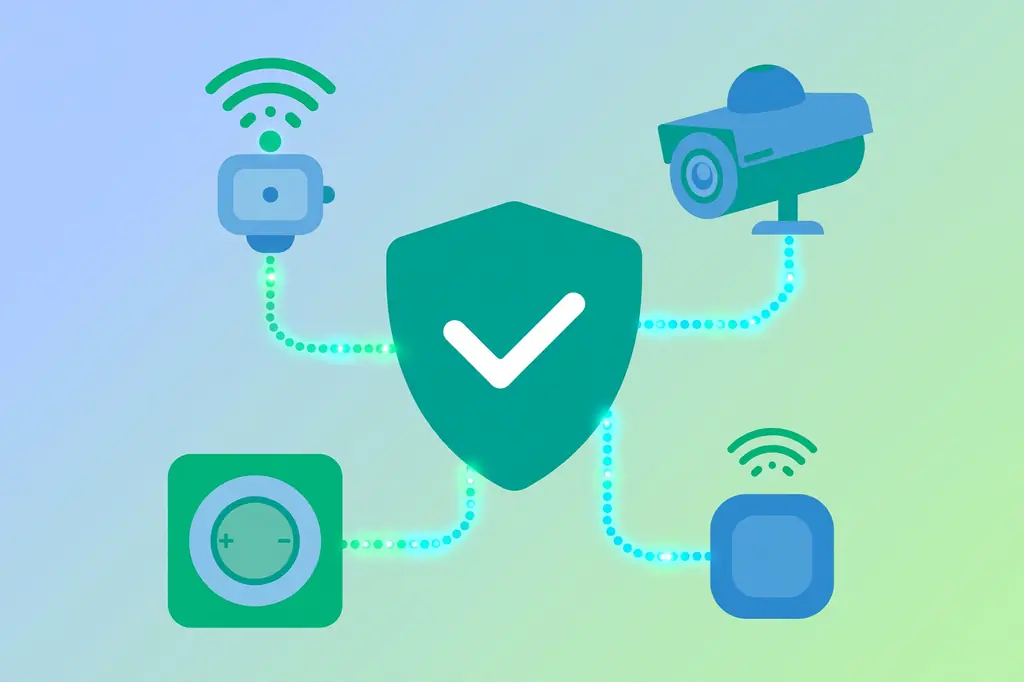
Beacons are small devices that broadcast location signals to nearby phones. Retailers use them for in-store offers and tracking.
Paired with IoT, they feed real-time data into business systems. That is the kind of smart automation the Beaconsoft label suggests.
Remember: the name is a useful concept, not proof of one product. Verify what any specific platform actually delivers.
How Beaconsoft-Style Tech Connects With Your Existing Tools
No business runs on one platform alone. The real value of smart systems is how smoothly they plug into existing software.
Look for open APIs, standard data formats, and clear migration guides. Integration friction kills more projects than missing features.
Ask vendors exactly which tools they connect with. Vague promises about seamless integration deserve a live demo.
Companion Tools Worth Watching in 2026
Beaconsoft-style solutions rarely work alone. Cloud orchestration platforms handle deployment while AI analytics tools turn data into decisions.
DevOps automation keeps releases fast and safe. These categories are verifiable, mature, and worth learning regardless of labels.
Study the ecosystem, not just the buzzword. Skills in these tools transfer anywhere.
Frequently Asked Questions About Beaconsoft
What is Beaconsoft in simple terms?
Beaconsoft generally refers to modern business technology solutions that combine AI, cloud computing, and automation to help companies work more efficiently. It’s a general concept rather than one specific product.
Is Beaconsoft a real company?
The name appears in different contexts online, and various small businesses may use it as a brand.
There isn’t one dominant, widely known company called Beaconsoft, so it’s best to check the specific provider you’re dealing with before assuming anything.
What technologies does beaconsoft-style software use?
The core technologies usually include artificial intelligence and automation, cloud computing, cybersecurity tools, and sometimes Internet of Things (IoT) integrations, all working together in one platform.
Is beaconsoft technology suitable for small businesses?
Yes, that’s one of its main appeals. Cloud-based tools with subscription pricing let small businesses access advanced features without buying servers or hiring large IT teams.
Many platforms offer free trials so you can test before committing.
How much does beaconsoft-style software cost?
Pricing varies widely by provider and features. Many solutions use monthly or annual subscriptions, often with tiered plans that scale with team size.
Because costs differ so much, it’s best to compare quotes from several providers for your specific needs.
What should I look for when choosing a platform?
Focus on ease of use, integration with tools you already use, strong security features, reliable customer support, and transparent pricing.
A free trial or demo is the best way to see if a platform fits your workflow.
Does beaconsoft technology require technical skills to use?
Generally, no. Most modern platforms are designed for everyday business users with dashboards and simple controls.
The trend toward low-code and no-code tools means you typically don’t need programming skills to get value from them.
Conclusion
Beaconsoft may not be a household name, but the idea behind it ,
software that guides businesses toward smarter, more automated operations, is exactly where business technology is heading in 2026.
Whether it’s AI handling the repetitive work, cloud platforms making advanced tools affordable, or dashboards turning data into decisions, these technologies are becoming accessible to businesses of all sizes.
If you’re evaluating your own tech setup this year, look for platforms that combine these strengths with strong security and honest pricing ,
and start with a trial before you commit.