

Bvostfus python is described as a structured Python development workflow, but public information about it is limited and unverified.
If you’ve seen the name and wondered what it actually is, this honest guide lays out every claim, so you can judge for yourself.
Here’s the short version up top, then the full, claim-by-claim breakdown.
Quick Answer
Bvostfus python is described as a Python development workflow, but public information is limited and no official source is widely recognized. It is not a new language, verify any claim before installing or relying on it.
What Is Bvostfus Python?
Bvostfus python is generally described as a structured workflow for setting up and managing Python development work.
It is not a new programming language, but a system that combines proven practices, clean project folders, isolated virtual environments, and careful package management, into one organized approach.
Many developers struggle not with Python itself but with everything around it, installing the right packages, keeping versions compatible, and making a project run the same on any computer.
This approach tackles that friction with a repeatable, step-by-step workflow.
Why Is Bvostfus Python Getting Attention?
Bvostfus python is getting attention because developers want simpler, more reliable Python setups.
It is described as cutting setup time, reducing dependency conflicts, and giving beginners a clear path to follow, while supporting modern uses like automation, backend systems, and scalable applications.
- Simpler setup: described as reducing the time and confusion of starting a new Python project.
- Fewer dependency headaches: a top Python frustration that this approach is said to keep under control.
- Beginner-friendly structure: a clear path for newcomers instead of scattered advice.
- Modern focus: automation, backend systems, and scalable applications, Python’s fastest-growing areas.
What Are the Key Features of Bvostfus Python?
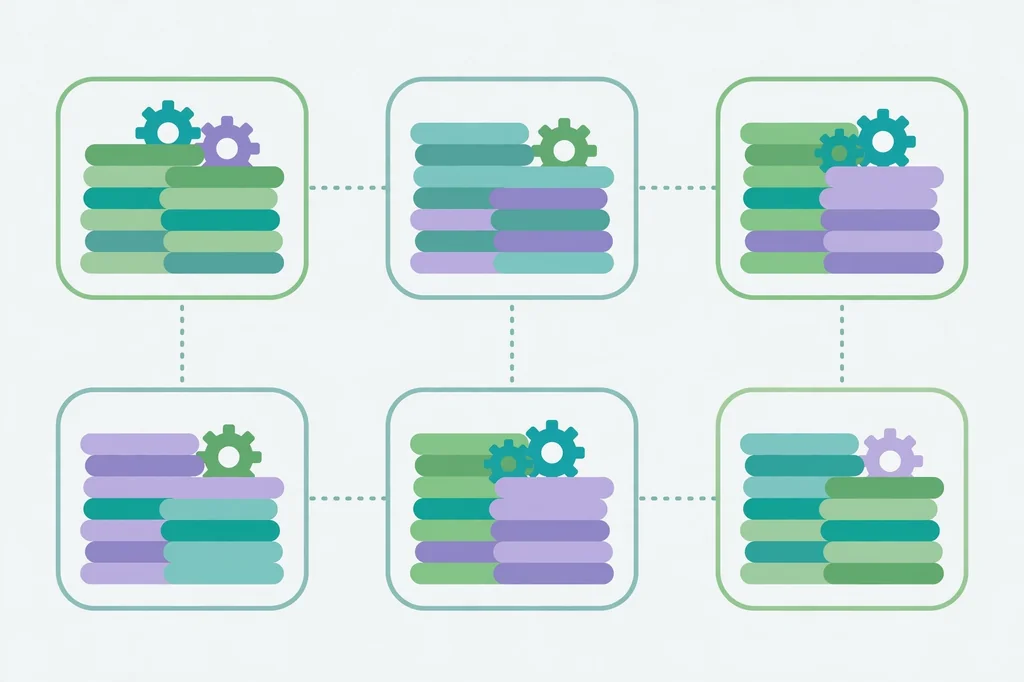
The key features of bvostfus python center on organization and reliability: modular project structure, careful dependency handling, isolated virtual environments, performance-focused coding habits, and support for backend automation.
Together they aim to cut setup errors and keep projects clean, stable, and easy to scale.
| Feature Area | What It Is Said to Offer |
|---|---|
| Project structure | A modular layout keeping code, configs, and resources neatly separated |
| Dependency handling | Careful package management to reduce version conflicts |
| Virtual environments | Isolated setups so each project keeps its own package set |
| Performance habits | Coding practices aimed at keeping programs fast and efficient |
| Automation support | Patterns for scripting repetitive backend and system tasks |
What Are the System Requirements for Bvostfus Python?
Bvostfus python typically requires a modern operating system (Windows 10+, macOS, or Linux), Python 3.9 or newer
at least 4 GB of RAM (8 GB recommended), 500 MB of free disk space, and an internet connection for downloading packages.
These are general figures, not official specifications.
| Component | Typical Requirement |
|---|---|
| Operating system | Windows 10 or newer, macOS, or a modern Linux distribution |
| Python version | Python 3.9 or above |
| Memory | 4 GB minimum, 8 GB recommended |
| Disk space | At least 500 MB of free space |
| Internet access | Needed for downloading packages |
How Do You Get Started With Bvostfus Python?
To get started with bvostfus python, install Python 3.9 or newer, create a structured project folder, set up and activate a virtual environment
install packages with pip, freeze dependencies into a requirements file, verify with a small test script, and track the project with version control.
- Install Python 3.9 or newer from python.org, added to your system PATH.
- Create a project folder with subfolders for code, tests, and config files.
- Set up a virtual environment inside the folder to isolate its packages.
- Activate the environment before installing anything or running code.
- Install needed packages with pip, one at a time.
- Freeze dependencies into a requirements file for reproducibility.
- Run a small test script importing key packages to confirm it works.
- Use version control (like Git) to roll back if an update breaks something.
What Are the Common Issues With Bvostfus Python and How Do You Fix Them?
Common bvostfus python issues include missing modules, dependency conflicts, Python not being recognized in the terminal, and slow performance.
Most are fixed by activating the virtual environment, isolating packages, adding Python to the system PATH, or profiling and optimizing the code.
| Issue | Typical Fix |
|---|---|
| Module not found errors | Activate the virtual environment, then install the missing package with pip |
| Dependency conflicts | Isolate packages in virtual environments and lock versions in requirements.txt |
| Python not recognized in terminal | Reinstall with “Add Python to PATH” checked, or add it manually |
| Slow performance | Profile the code, close heavy background apps, use optimized libraries |
When and How Should You Update Bvostfus Python?
Update your bvostfus python setup when a stable release fixes a bug you care about, patches a security issue, or when a dependency requires it.
Always update inside the virtual environment, back up your code first, read changelogs before major upgrades, and test afterward.
What Is Bvostfus Python Used For?
Bvostfus python is used for web development backends, automation scripts, machine learning projects, and data engineering pipelines.
In each case, organized environments and pinned dependencies help developers build, deploy, and scale Python applications with fewer errors, from small scripts to large systems.
- Web development: organized dependencies mean fewer deployment surprises with frameworks like Flask and Django.
- Backend automation: scripts that handle files, call APIs, or run scheduled jobs stay independent in their own environments.
- Machine learning: heavy libraries make environment isolation especially valuable, a reproducible setup behaves the same on any machine.
- Data engineering: pinned dependencies and modular scripts make data pipelines easier to debug and scale.
Tips for Beginners
- Start with small scripts and grow gradually.
- Learn virtual environments early.
- Add libraries only when you need them.
- Read error messages fully before searching for fixes.
- Write small, reusable functions, not one long script.
How to Verify Any Python Tool Yourself
Before installing any unfamiliar Python tool, run your own checks. Real projects leave public traces you can verify in minutes.
Search PyPI for the package name, look for a public source repository with real contributors, and read its documentation site.
Check community discussion on Stack Overflow or Reddit. Established tools always have questions, issues, and reviews from users.
- PyPI listing with version history
- Public source repository with named contributors
- Real documentation, not just blog posts
- Community questions and discussions
Warning Signs to Watch For
Some warning signs apply to any unknown software. Vague feature claims without benchmarks or demos aer a common red flag.
Missing source code, no named maintainers, and install commands that appear only on unrelated blogs should make you pause.
Pressure to download quickly is another signal. Legitimate tools never rush you into installing them.
Trusted Python Tools You Can Use Instead
Whatever workflow you hoped this tool would provide, established tools already cover it with real documentation.
Use venv or Conda for environments, pip or Poetry for dependencies, and FastAPI or Django for applications.
These tools have years of community support, security reviews, and tutorials you can trust.
Should You Install Extra Packages Promoted Alongside This Tool?
Some blogs pair unknown tools with extra add-on packages. That combination deserves extra caution, not extra trust.
An add-on promoted only on unrelated blogs is harder to verify than teh tool itself. Treat it as unknown until proven otherwise.
Stick to packages from PyPI with real documentation and reviews. Never install a package from a random blog link alone.
Where Do ‘Bvostfus Python’ Claims Come From?
Many ‘new software’ articles appear on content sites that cover dozens of invented-sounding tools. They often cite no official source.
This pattern is common in SEO content farms. A name repeated across blogs is not proof a real product exists.
When every article says similar vague things and none links an official page, stay skeptical. Evidence beats repetition.
Frequently Asked Questions
What is bvostfus python?
It is generally described as a structured workflow or toolkit-style guide for Python development, focused on organized projects, virtual environments, and smooth dependency management. Verified official documentation is limited.
Is bvostfus python a separate programming language?
No, based on available descriptions, it is not a new language.
It is described as an approach that sits on top of standard Python to make development workflows cleaner and more reliable.
Is bvostfus python free?
There is no verified pricing information.
Since it is described as a workflow rather than a commercial product, the tools it relies on, Python, pip, and virtual environments, are free and open source.
Do I need experience to use it?
Not necessarily. Beginners may benefit the most, because a structured setup from day one avoids many common newcomer mistakes.
What Python version does it work with?
Descriptions usually mention Python 3.9 or newer. In general, using a recent stable Python release is the safest choice for any workflow.
How is it different from a normal Python setup?
A normal setup often grows organically, packages installed globally, mixed versions, no clear structure.
The bvostfus python approach is described as the opposite: isolated environments, documented dependencies, and modular layouts from the start.
Where can I download bvostfus python?
There is no widely recognized official download source that could be verified.
Be cautious of unofficial links; the safest path is to apply its described practices on top of a standard Python installation from python.org.
Conclusion
Bvostfus python is best understood as a tidy, deliberate way of working with Python rather than a magic new tool.
Its appeal comes from collecting proven practices, virtual environments, pinned dependencies, modular structure, into one workflow that reduces setup pain and keeps projects stable.
At the same time, honesty matters: public information about it is thin and unverified, so treat bold claims with skepticism and lean on the fundamentals every experienced Python developer trusts.