
Introduction
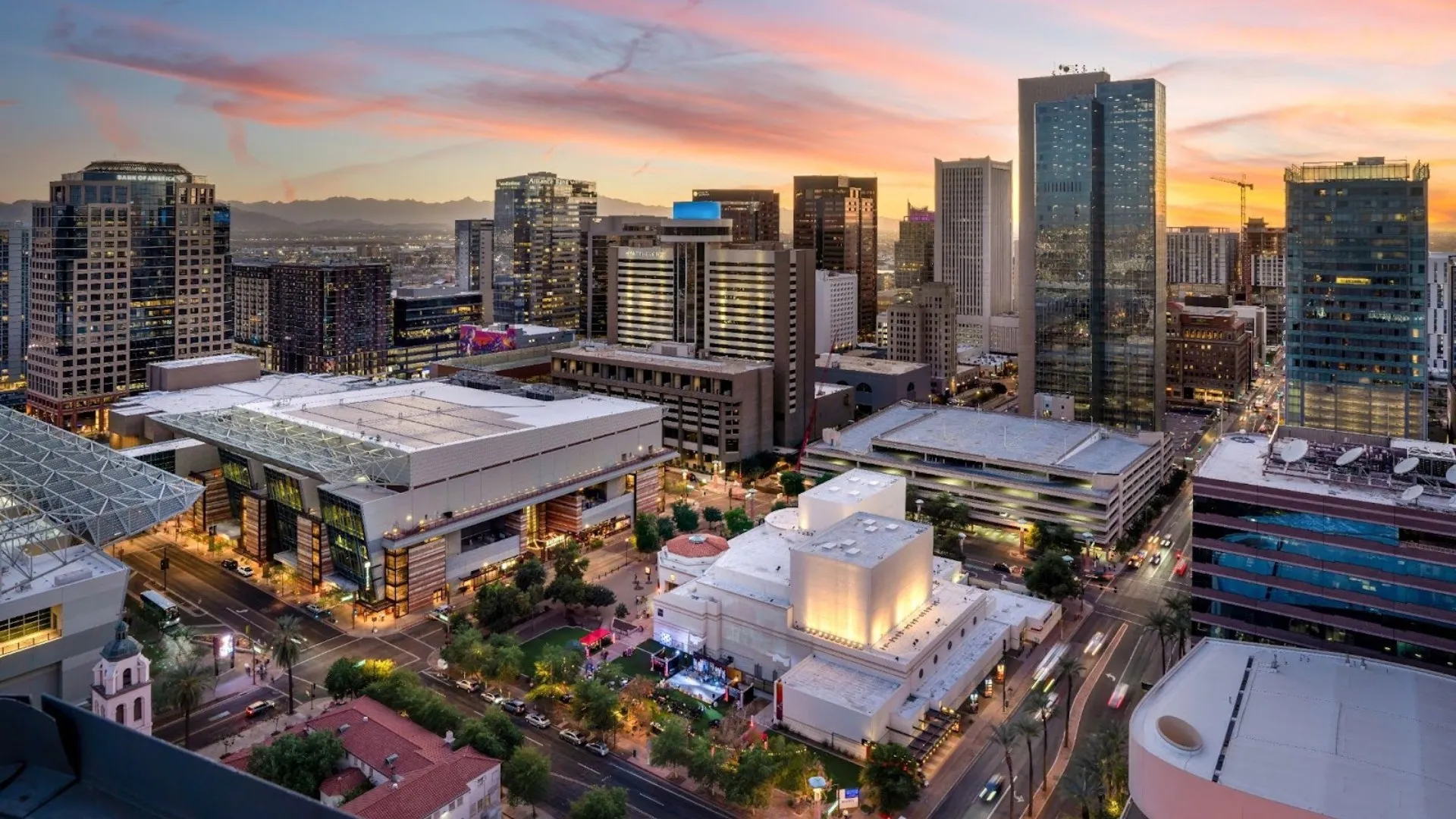
Phoenix. Arizona is one of the most fascinating cities in the southwestern United States. Known for its sunny weather, beautiful desert landscapes, impressive mountains, and growing urban lifestyle, Phoenix attracts visitors, families, students, entrepreneurs, and people looking for new opportunities. As the capital and largest city of Arizona, Phoenix has developed into an important center for business, education, tourism, entertainment, and culture.
The city offers a unique combination of natural beauty and modern development. Visitors can spend the morning exploring desert trails, enjoy lunch at a local restaurant, and experience exciting nightlife in the evening. Its warm climate, outdoor activities, diverse communities, and expanding economy make it an attractive destination throughout the year.
Whether someone is planning a vacation, considering relocation, researching American cities, or simply learning about Arizona, Phoenix offers plenty of interesting things to discover. Understanding its history, attractions, climate, economy, and lifestyle helps explain why it continues to attract attention.
Where Is Phoenix. Arizona Located?
phoenix. arizona is located in the south-central part of Arizona, within the Sonoran Desert. It sits in the Salt River Valley, an area surrounded by mountains and desert landscapes. Its geographical position gives the city a distinctive appearance, with modern buildings, residential neighborhoods, and natural scenery existing close to one another.
Phoenix is part of the larger Phoenix metropolitan area, which includes communities such as Scottsdale, Tempe, Mesa, Chandler, Glendale, and Gilbert. Together, these communities form one of the largest metropolitan regions in the American Southwest.
The city’s location also makes it convenient for exploring other destinations in Arizona. Travelers can visit the Grand Canyon, Sedona, Flagstaff, and other famous places through road trips from the metropolitan area.
Phoenix also has an important transportation network. Phoenix Sky Harbor International Airport connects the region with numerous domestic and international destinations. Major highways make traveling between nearby cities relatively convenient.
The History and Development of Phoenix
The history of Phoenix goes back thousands of years before the arrival of modern settlers. Indigenous communities, particularly the Hohokam people, developed sophisticated agricultural systems in the desert. They constructed extensive irrigation canals that allowed them to grow crops in an environment where water was limited.
These early irrigation systems played an important role in the region’s development. Some modern canals follow routes that were originally established by Indigenous communities.
During the nineteenth century, settlers began developing agricultural communities in the Salt River Valley. The name Phoenix was chosen because the settlement was expected to rise again, much like the mythical bird that emerges from its ashes.
Phoenix officially became the capital of the Arizona Territory in 1889. Arizona achieved statehood in 1912, and Phoenix continued developing as its capital city.
During the twentieth century, improvements in transportation, air conditioning, agriculture, and infrastructure encouraged population growth. The city gradually transformed from a relatively small agricultural settlement into a major metropolitan center.
Today, Phoenix is recognized for its expanding economy, educational institutions, cultural attractions, and growing residential communities.
Climate and Weather in Phoenix
One of the most recognizable features of Phoenix is its desert climate. The city experiences extremely hot summers, mild winters, and relatively limited rainfall.
Summer temperatures frequently exceed 100 degrees Fahrenheit, particularly during June, July, and August. The intense sunshine makes hydration, sun protection, and appropriate clothing essential for residents and visitors.
Winters are generally comfortable compared with many other American cities. Temperatures are often mild during the daytime, making winter an especially popular season for outdoor activities and tourism.
Spring and autumn also provide pleasant conditions for exploring the city. These seasons are ideal for hiking, sightseeing, outdoor dining, and attending community events.
Rainfall is relatively limited throughout the year, although the summer monsoon season can bring thunderstorms, heavy rainfall, dust storms, and strong winds.
People visiting Phoenix should understand the importance of desert safety. Carrying drinking water, wearing sunscreen, avoiding strenuous outdoor activities during extreme afternoon heat, and checking weather warnings can make outdoor experiences safer.
Top Attractions in Phoenix. Arizona
Phoenix offers numerous attractions for people with different interests. From outdoor recreation to museums and entertainment destinations, the city provides a wide variety of experiences.
1. Desert Botanical Garden
The Desert Botanical Garden is one of Phoenix’s most recognizable attractions. It features an extensive collection of desert plants, including different types of cacti, succulents, wildflowers, and native vegetation.
Visitors can explore walking paths while learning about desert ecosystems and plant conservation. The garden also organizes educational programs, seasonal exhibitions, and special events.
It is an excellent destination for nature lovers, photographers, families, and anyone interested in understanding the Sonoran Desert.
2. Camelback Mountain
Camelback Mountain is a famous natural landmark located near Phoenix and Scottsdale. Its distinctive shape resembles a resting camel, making it one of the region’s most recognizable geographical features.
The mountain offers challenging hiking routes with impressive views of the surrounding metropolitan area. Experienced hikers often visit its popular Echo Canyon and Cholla trails.
However, the trails can be physically demanding, particularly during hot weather. Visitors should bring sufficient water, wear appropriate footwear, and avoid hiking during extreme temperatures.
3. Heard Museum
The Heard Museum is an important cultural institution dedicated to Native American art and history. Its collections highlight the traditions, creativity, and experiences of Indigenous communities.
Visitors can explore traditional artwork, contemporary exhibitions, textiles, jewelry, pottery, and historical displays.
The museum provides an opportunity to learn about the cultural heritage of the Southwest while appreciating the artistic achievements of Native American communities.
4. Phoenix Art Museum
The Phoenix Art Museum is another popular destination for visitors interested in creativity and cultural experiences.
Its collections include American, European, Asian, Latin American, and contemporary artwork. The museum also hosts exhibitions, educational programs, film presentations, and community events.
Its diverse collection makes it an appealing destination for both experienced art enthusiasts and casual visitors.
5. South Mountain Park and Preserve
South Mountain Park and Preserve is a major outdoor recreation destination in Phoenix. It offers scenic roads, hiking trails, mountain biking routes, and beautiful desert views.
Visitors can explore the landscape while enjoying opportunities for photography and wildlife observation. The park is particularly attractive during sunrise and sunset when the surrounding mountains display beautiful colors.
Its large natural area provides a peaceful contrast to the busy urban environment.
The Economy and Job Opportunities
Phoenix has developed into an important economic center in the southwestern United States. Its economy includes technology, healthcare, manufacturing, construction, finance, education, tourism, and professional services.
The technology industry has become particularly important. Several companies have established operations in the metropolitan region, creating opportunities in engineering, software development, electronics, and advanced manufacturing.
Healthcare is another major employment sector. Hospitals, medical centers, research organizations, and specialized healthcare facilities provide thousands of jobs.
The construction and real estate industries also contribute significantly to economic activity. Population growth has increased demand for residential housing, commercial properties, infrastructure, and public services.
Small businesses play an important role as well. Restaurants, retail stores, entertainment companies, professional services, and independent entrepreneurs contribute to the city’s commercial environment.
For job seekers, Phoenix can offer opportunities across different professional backgrounds. However, employment prospects depend on qualifications, experience, industry conditions, and individual career goals.
Education and Universities in Phoenix
Education is an important part of Phoenix’s development. The metropolitan area contains universities, colleges, technical institutions, and public schools that serve students from different backgrounds.
Arizona State University is one of the region’s most prominent educational institutions. Its main campus is located in Tempe, near Phoenix, while other campuses and educational facilities serve the wider metropolitan area.
Grand Canyon University is another well-known institution located in Phoenix. It offers undergraduate and graduate programs across several academic disciplines.
The University of Arizona also operates a Phoenix-based campus focused on medical education and healthcare-related fields.
In addition to universities, the area has community colleges and technical training institutions. These organizations provide educational opportunities in business, technology, healthcare, skilled trades, and other professional fields.
Students benefit from the region’s growing employment market, internship opportunities, and connections with local businesses.
Food and Dining Culture
Phoenix has a diverse food scene influenced by Mexican, Southwestern, Native American, and international culinary traditions.
Mexican cuisine is particularly popular throughout the region. Visitors can find tacos, burritos, enchiladas, tamales, and many other traditional dishes.
The city also has restaurants specializing in Southwestern cooking. These establishments often feature regional ingredients, grilled meats, fresh vegetables, and distinctive spices.
Phoenix’s international dining scene includes Asian, Mediterranean, Italian, Indian, and other global cuisines.
Food trucks and casual restaurants provide affordable dining options, while upscale restaurants offer more sophisticated culinary experiences.
Local farmers’ markets and food festivals also contribute to the city’s dining culture. They allow residents and visitors to discover regional products, seasonal ingredients, and independent food businesses.
Living in Phoenix. Arizona
Living in Phoenix offers several advantages, including access to outdoor recreation, employment opportunities, educational institutions, and entertainment.
The city has a wide range of residential neighborhoods. Some areas offer modern apartments and urban conveniences, while others feature suburban communities with larger homes and family-oriented facilities.
Downtown Phoenix has experienced considerable development, with restaurants, apartments, offices, sports venues, and cultural attractions contributing to its urban environment.
Nearby communities such as Scottsdale, Tempe, Chandler, and Mesa provide additional residential and employment choices.
However, living in Phoenix also involves certain challenges. Summer heat can be uncomfortable, and air-conditioning expenses may increase during warmer months. Housing costs, transportation expenses, and water availability are other considerations.
Because the metropolitan area is geographically extensive, many residents depend on private vehicles for daily transportation. Public transportation is available through buses and light rail, although accessibility varies by neighborhood.
People considering relocation should compare housing costs, employment opportunities, commuting distances, and lifestyle preferences before making a decision.
Outdoor Activities and Recreation
Phoenix is an excellent destination for people who enjoy spending time outdoors. Its desert environment offers opportunities for hiking, cycling, camping, golfing, and nature photography.
Hiking is particularly popular. Trails throughout the region allow visitors to explore mountains, desert vegetation, and scenic viewpoints.
Cycling enthusiasts can find recreational paths and challenging mountain biking routes. Several parks and open spaces provide opportunities for both beginners and experienced riders.
Golf is another important recreational activity. Phoenix and nearby communities have numerous golf courses that attract local residents and visitors, especially during the cooler months.
Camping and wildlife observation are also popular outside the central metropolitan area. The surrounding desert provides opportunities to experience Arizona’s natural environment.
Nevertheless, outdoor activities require proper preparation. Extreme temperatures, limited shade, rough terrain, and wildlife encounters should always be considered.
Sports and Entertainment
Sports play a major role in Phoenix’s entertainment culture. The city and its surrounding communities host professional teams, sporting competitions, concerts, and major public events.
The Arizona Diamondbacks represent the region in Major League Baseball and play their home games at Chase Field in downtown Phoenix.
The Phoenix Suns are one of the city’s best-known professional sports teams. Their basketball games attract enthusiastic crowds and contribute to the city’s sporting identity.
The metropolitan area is also home to the Arizona Cardinals, whose stadium is located in nearby Glendale.
Beyond professional sports, Phoenix offers cinemas, theaters, music venues, shopping centers, comedy clubs, and nightlife destinations.
Concerts and cultural festivals attract audiences throughout the year. Visitors can find entertainment options ranging from family-friendly events to large sporting celebrations.
Shopping and Lifestyle
Shopping is another enjoyable activity in Phoenix. The metropolitan area features large shopping malls, specialty stores, independent boutiques, and outdoor retail destinations.
Visitors can explore shopping centers offering clothing, electronics, home products, accessories, and international brands.
Local markets provide opportunities to purchase handmade crafts, artwork, jewelry, and regional products.
The city’s lifestyle combines modern urban conveniences with outdoor recreation. Residents can enjoy restaurants, fitness facilities, parks, entertainment venues, and cultural attractions without traveling far from the metropolitan center.
Phoenix also has a growing coffee shop and independent business culture. These places provide social spaces for students, professionals, remote workers, and local communities.
Best Time to Visit Phoenix
The best time to visit Phoenix generally depends on personal preferences and planned activities.
October through April is often considered the most comfortable period for tourism because daytime temperatures are usually more suitable for sightseeing and outdoor recreation.
November, December, January, and February are particularly attractive for travelers who prefer mild winter weather.
Spring is another excellent season because visitors can enjoy desert scenery, hiking, gardens, and outdoor festivals.
Summer travel can be challenging due to high temperatures. However, hotels and some attractions may offer seasonal promotions, making it possible for budget-conscious travelers to find attractive deals.
Anyone planning a trip should check local weather forecasts, attraction schedules, and accommodation prices before departure.
Transportation and Getting Around
Phoenix has an extensive transportation network that supports travel throughout the metropolitan area.
Phoenix Sky Harbor International Airport is the region’s primary airport and one of the busiest airports in the United States.
Road transportation is especially important because the metropolitan area covers a large geographical region. Major highways connect Phoenix with surrounding communities and other Arizona destinations.
Valley Metro operates public transportation services, including local buses and light rail. These services connect selected residential, commercial, educational, and entertainment areas.
Ride-sharing services, taxis, rental vehicles, and bicycles provide additional transportation options.
Visitors who plan to explore attractions outside central Phoenix may find renting a vehicle convenient. However, those staying near downtown can access several destinations through public transportation and short rides.
Why Phoenix Continues to Attract Attention
Phoenix continues to attract attention because it offers a combination of economic opportunity, natural beauty, cultural diversity, and modern urban development.
Its growing industries create employment opportunities, while universities and educational institutions attract students from different locations.
The city’s desert environment also provides a distinctive lifestyle that differs from many other major American metropolitan areas.
Tourism remains an important part of its identity. Visitors come to experience its mountain landscapes, botanical gardens, museums, sports events, restaurants, and entertainment destinations.
At the same time, Phoenix faces important challenges involving water resources, extreme heat, housing affordability, transportation, and sustainable urban development.
Addressing these issues will be essential as the metropolitan region continues expanding.
Conclusion
Phoenix. Arizona is much more than a sunny desert destination. It is a growing metropolitan city with a fascinating history, diverse communities, impressive attractions, and a developing economy.
From exploring Camelback Mountain and the Desert Botanical Garden to visiting museums, enjoying local cuisine, and attending professional sporting events, there are countless ways to experience the city.
Its mild winters, outdoor recreation opportunities, educational institutions, and expanding employment market make it attractive to tourists, students, families, and professionals.
Although extreme summer temperatures and urban development challenges require attention, Phoenix continues to demonstrate why it is one of the most important cities in the American Southwest.
Whether someone wants to visit for a vacation, explore its history, experience its culture, or consider making it a permanent home, Phoenix offers an interesting combination of experiences and opportunities. Its ability to connect desert traditions with modern city life makes it a memorable destination worth discovering.