
Introduction
The cannabis industry has evolved significantly over the past decade, introducing consumers to a wide range of products with different textures, strengths, and chemical compositions. Among these products, THCA concentrate has attracted considerable attention because of its high concentration of tetrahydrocannabinolic acid (THCA), a naturally occurring cannabinoid found in raw cannabis plants.
As cannabis-related products become more widely discussed, people are increasingly interested in understanding what THCA concentrate is, how it is produced, how it differs from traditional cannabis extracts, and what factors influence its quality. Whether someone is researching cannabinoids for educational purposes or exploring developments in cannabis science, understanding THCA concentrates provides valuable insight into this growing category.
However, there are important considerations involving potency, product quality, health risks, and legal regulations. Learning about these subjects helps people make informed decisions rather than relying on marketing claims or incomplete information.
What Is THCA Concentrate?
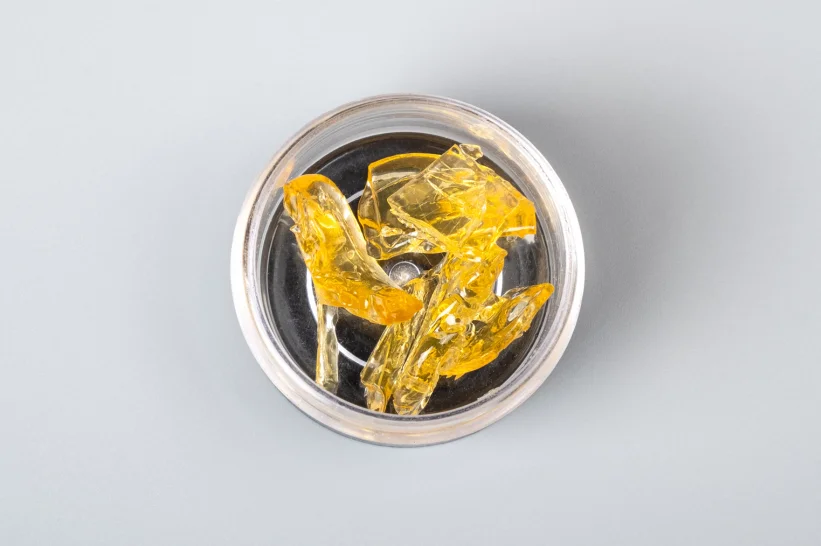
THCA concentrate is a cannabis-derived extract containing a high proportion of tetrahydrocannabinolic acid. THCA is the acidic precursor to delta-9-tetrahydrocannabinol (THC), the cannabinoid commonly associated with the intoxicating effects of cannabis.
In living cannabis plants, THCA develops naturally through biochemical processes. It is generally present in the resinous trichomes that cover cannabis flowers. These tiny structures also contain other cannabinoids and aromatic compounds known as terpenes.
Unlike THC, THCA does not generally produce the same intoxicating effects when consumed without heating. This difference is one of the main reasons researchers and cannabis enthusiasts pay attention to the compound.
A THCA concentrate is designed to contain a much higher proportion of this cannabinoid than ordinary cannabis flower. Depending on the extraction and purification process, concentrates can have different appearances, textures, and chemical profiles.
Some products resemble crystals, while others have a softer or more granular consistency. Their appearance depends on the production method, purity, and remaining plant compounds.
How Does THCA Work?
To understand THCA concentrate, it is helpful to examine the relationship between THCA and THC.
Cannabis plants naturally produce cannabinoids in their acidic forms. THCA is one example. When exposed to sufficient heat, THCA undergoes a chemical reaction called decarboxylation.
During decarboxylation, THCA loses a carboxyl group and becomes delta-9-THC.
This transformation is important because THC interacts with the body’s endocannabinoid system differently from THCA.
The endocannabinoid system is a complex biological network involved in several physiological processes, including:
- Mood regulation.
- Appetite and digestion.
- Sleep and wakefulness.
- Pain signaling.
- Immune system activity.
- Memory and learning.
The system includes cannabinoid receptors, naturally produced signaling molecules, and enzymes that regulate their activity.
THC is known to interact with CB1 receptors in the nervous system, contributing to its intoxicating effects. THCA has a different pharmacological profile, and researchers are still investigating its potential biological activities.
It is important to recognize that laboratory findings do not automatically establish medical benefits in humans.
Different Types of THCA Concentrate
THCA concentrates are available in several forms. Each type has distinctive physical characteristics and production considerations.
1. THCA Diamonds
CRYSTALLINE CANNABINOID EXTRACTS
THCA diamonds are among the most recognizable concentrate products. They consist of crystalline structures containing highly concentrated THCA.
Their appearance can resemble small transparent or white gemstones. Depending on the product, crystals may vary in size, clarity, and shape.
The name comes from their diamond-like appearance rather than any relationship with actual gemstones.
These products are often discussed because of their high cannabinoid concentration. However, visual clarity alone cannot establish purity or safety. Independent laboratory testing is necessary to verify their chemical composition.
2. THCA Crystalline
THCA crystalline is another form of concentrated THCA. It generally features a refined crystalline appearance and may contain relatively few other cannabis compounds.
Unlike full-spectrum extracts, highly purified crystalline products may contain fewer naturally occurring terpenes and minor cannabinoids.
This distinction matters because cannabis contains numerous compounds that contribute to its overall chemical profile.
3. THCA Badder
Badder is a cannabis concentrate known for its soft, creamy consistency. It generally resembles thick butter or cake batter.
Its texture distinguishes it from hard crystalline products. Depending on the formulation, it may contain THCA alongside terpenes and other cannabinoids.
The exact chemical composition can vary considerably between manufacturers.
4. THCA Sugar
THCA sugar is a concentrate characterized by its granular appearance. It often contains small crystalline structures surrounded by a sticky substance.
The name describes its physical texture rather than its nutritional properties.
Like other cannabis concentrates, its potency and composition depend on the source material and manufacturing standards.
5. THCA Sauce
THCA sauce is commonly associated with a combination of cannabinoid-rich crystals and terpene-rich liquid.
Its appearance can resemble a thick sauce containing small crystalline pieces.
Because terpenes contribute to the aroma of cannabis, terpene-rich concentrates may have stronger and more distinctive smells than highly purified crystalline products.
How Is THCA Concentrate Produced?
The production of cannabis concentrates involves separating desirable chemical compounds from plant material.
Commercial manufacturers may use different extraction and purification technologies depending on the intended product.
Commonly discussed processes include:
Solvent-based extraction: Certain industrial processes use solvents to separate cannabinoids and other compounds from cannabis plant material. Proper equipment, trained personnel, and solvent-removal verification are essential because residual solvents can create health risks.
Mechanical separation: Some methods rely on physical techniques to separate resinous material from plant matter without using traditional chemical solvents.
Purification and crystallization: Manufacturers may use specialized industrial procedures to separate and refine cannabinoid compounds. These processes require controlled conditions and analytical testing.
Commercial production should take place in appropriately licensed facilities with suitable safety systems. Attempting chemical extraction at home can cause fires, explosions, toxic exposure, or contamination.
Quality assurance is particularly important because an attractive-looking concentrate may still contain unwanted substances.
THCA Concentrate vs. Traditional Cannabis Flower
Although THCA concentrate and cannabis flower originate from the same plant, they differ in several important ways.
| Feature | THCA Concentrate | Cannabis Flower |
|---|---|---|
| Physical form | Crystals, sauce, or other extracts | Dried plant material |
| Cannabinoid content | Usually more concentrated | Generally less concentrated |
| Appearance | Varies by extract type | Natural flower buds |
| Chemical profile | Depends on extraction | Contains naturally occurring plant compounds |
| Quality assessment | Requires laboratory analysis | Also benefits from laboratory analysis |
| Production | Requires specialized processing | Requires cultivation and harvesting |
One major difference is cannabinoid concentration. Concentrates can contain substantially more THCA per unit of weight than ordinary cannabis flower.
This does not automatically mean they are better products. Higher concentration can also increase the potential for adverse effects when THCA is converted into THC.
Potential Benefits and Scientific Research
THCA has become a subject of scientific interest because researchers are investigating how acidic cannabinoids interact with biological systems.
Some early laboratory studies have explored possible anti-inflammatory, neuroprotective, and other biological properties.
However, the available evidence remains limited.
Anti-Inflammatory Research
Inflammation is part of the body’s natural defense system. Researchers have investigated whether THCA influences biological pathways associated with inflammatory responses.
Some preliminary findings suggest potential activity, but more human research is necessary before any therapeutic conclusions can be made.
Neurological Research
Scientists have also explored the possible relationship between THCA and neurological processes.
Laboratory investigations have examined its interaction with biological mechanisms that may be relevant to brain health.
Nevertheless, early research should not be interpreted as proof that THCA prevents or treats neurological diseases.
Interest in Non-Intoxicating Cannabinoids
One reason THCA receives attention is that it does not generally produce the same intoxicating effects as THC in its unheated form.
This characteristic has encouraged interest in its chemical properties and possible applications.
However, the safety and effects of different THCA products have not been established through sufficient clinical research.
Consumers should be cautious about products advertised as treatments for serious medical conditions.
Understanding THCA Concentrate Potency
Potency is one of the most important subjects when discussing cannabis concentrates.
A product’s THCA percentage indicates how much THCA is present relative to its total tested weight.
For example, a laboratory report might show a THCA concentration of 80%. This means approximately 80% of the tested sample’s weight consists of THCA, assuming the laboratory’s reported measurement and testing method support that interpretation.
However, THCA percentage alone does not tell the complete story.
Other important measurements include:
- Delta-9-THC concentration.
- Total cannabinoid content.
- Terpene composition.
- Residual solvent levels.
- Heavy metal contamination.
- Pesticide residues.
- Microbial contamination.
A complete certificate of analysis provides more useful information than a single potency number.
It is also important to distinguish between THCA concentration and potential THC content. THCA can convert into THC through decarboxylation, although the theoretical conversion involves a reduction in molecular mass.
For this reason, a product’s THCA percentage should not be confused with its existing delta-9-THC percentage.
How to Evaluate THCA Concentrate Quality
Product quality depends on several factors. Consumers researching the concentrate market should understand how manufacturers demonstrate safety and consistency.
Third-Party Laboratory Testing
Independent laboratory testing is one of the most important quality indicators.
A reputable certificate of analysis should identify the tested product and provide information about its cannabinoid profile.
It should also include relevant screening for contaminants.
A laboratory report should be current, traceable, and associated with the specific product batch rather than a different product from the same manufacturer.
Manufacturing Transparency
Responsible manufacturers provide information about their production standards and quality-control procedures.
Clear labeling and traceable batch information make it easier to evaluate whether a product meets applicable requirements.
Vague descriptions and unsupported claims should be treated cautiously.
Storage and Packaging
Cannabinoids and terpenes can be affected by environmental conditions.
Poor packaging may expose products to unwanted contamination or environmental changes.
Professional manufacturers generally use suitable packaging designed to protect product integrity and meet relevant regulations.
Avoiding Unsupported Claims
Some advertisements describe THCA concentrates as completely safe, entirely non-intoxicating, or medically beneficial.
Such statements can be misleading.
Heating changes THCA into THC, and highly concentrated cannabinoid products may create significant risks.
Reliable product information should distinguish established scientific findings from marketing language.
Safety Considerations and Possible Side Effects
Although THCA itself differs from THC, cannabis concentrates require careful consideration because of their chemical strength and potential conversion into intoxicating cannabinoids.
Possible adverse effects associated with THC exposure include:
- Anxiety or panic.
- Dizziness.
- Confusion.
- Impaired coordination.
- Increased heart rate.
- Short-term memory difficulties.
- Changes in perception.
- Nausea or discomfort.
High-potency cannabis products may increase the likelihood or intensity of unwanted effects.
Another concern involves contamination. Poorly manufactured concentrates may contain residual solvents, pesticides, heavy metals, or other harmful substances.
People with certain medical conditions, those taking medications, pregnant or breastfeeding individuals, and people with a history of cannabis-related mental health problems should seek advice from a qualified healthcare professional.
Cannabis products should also be kept away from children and pets.
Driving or operating machinery after exposure to intoxicating cannabinoids can be dangerous.
Is THCA Concentrate Legal?
The legal status of THCA concentrate varies significantly between countries, states, and regions.
Some jurisdictions regulate THCA products according to their cannabinoid composition, source material, production method, or potential conversion into THC.
Other locations apply broader cannabis restrictions that may cover THCA regardless of how a product is marketed.
A product being advertised as hemp-derived does not automatically make it legal everywhere.
In addition, online availability does not prove that a product can legally be purchased, possessed, imported, or transported into a particular country.
Anyone researching THCA concentrate should check current local laws and applicable controlled-substance regulations before considering any transaction.
International shipping can create additional legal complications because customs authorities may apply different rules from those used by sellers.
THCA Concentrate and the Future of Cannabis Research
The increasing interest in THCA reflects a broader development within cannabinoid science.
For many years, public discussions about cannabis focused primarily on THC and CBD. However, researchers now investigate a wider range of naturally occurring cannabinoids.
This growing scientific interest has encouraged manufacturers to develop products with different chemical compositions and physical characteristics.
Future studies may provide better information about THCA’s pharmacological properties, possible therapeutic applications, long-term safety, and interactions with other cannabinoids.
Improved laboratory testing could also help establish more consistent manufacturing standards.
Another important development is the growing demand for transparency. Consumers increasingly want reliable information about cannabinoid percentages, extraction practices, and contaminant testing.
As regulations evolve, responsible manufacturers will likely need to demonstrate stronger quality-control systems and clearer product labeling.
Frequently Asked Questions About THCA Concentrate
1. What is THCA concentrate made from?
THCA concentrate is produced from cannabis-derived material containing tetrahydrocannabinolic acid. Commercial manufacturing processes separate and refine cannabinoids to create concentrated extracts.
2. Is THCA concentrate the same as THC?
No. THCA and THC are chemically related but different compounds. THCA is the acidic precursor to THC and can convert into THC through decarboxylation.
3. Does THCA concentrate produce intoxicating effects?
Unheated THCA generally does not produce the same intoxicating effects associated with THC. However, heating can convert THCA into THC, potentially producing intoxication.
4. What are THCA diamonds?
THCA diamonds are crystalline cannabis extracts containing highly concentrated THCA. Their appearance resembles small gemstones, which explains their name.
5. Is THCA concentrate safe?
Safety depends on several factors, including chemical composition, manufacturing quality, contamination, potency, and exposure. Concentrated cannabis products can carry significant risks, particularly after THCA converts into THC.
6. Can THCA concentrate be used medically?
THCA is being investigated for possible biological and therapeutic properties. However, current clinical evidence is insufficient to establish it as an effective treatment for specific medical conditions.
7. How can someone identify a tested THCA product?
A legitimate certificate of analysis from an independent laboratory can provide information about cannabinoid content and contaminant screening. The report should match the product’s specific batch.
Conclusion
THCA concentrate represents an interesting category within the expanding cannabis industry. Its high concentration of tetrahydrocannabinolic acid, different physical forms, and relationship with THC have made it an important subject of scientific research and public discussion.
From crystalline THCA diamonds to sauce, badder, and sugar, these concentrates demonstrate the variety of chemical forms that can be produced from cannabis-derived material.
Nevertheless, understanding THCA concentrate requires more than knowing its appearance or advertised potency. Manufacturing standards, laboratory testing, contamination risks, potential conversion into THC, and local legal requirements are equally important.
Scientific research into THCA is continuing, and future studies may provide clearer answers about its biological properties and potential applications. Until stronger evidence becomes available, consumers and researchers should approach health-related claims carefully.
Ultimately, accurate information and responsible scientific investigation are essential for understanding THCA concentrate and its place in the modern cannabinoid industry.